
Does your company have a confidence gap?
Teams of good people get stuck.
You know something is wrong but you can’t name it.
Good teams get stuck.
Workarounds pile up. Decisions stall.
The people doing the work know what is broken.
At some point leadership stops believing the team can deliver what is coming.
That moment is expensive.
I’m Will Stuck
Your team is made up of good people, yet there is a nagging feeling something is wrong.
Maybe you tried a new framework or implemented a new tool. The excitement faded and a few months later you are in the same place. Still Stuck.
I am an Organizational Engineer who works with leadership at manufacturing and construction companies when their teams have stopped delivering and nobody can quite explain why.
This nagging feeling is the Confidence Gap.
If your team is stuck and you cannot name why, let's talk.

The Quadrant
Most prioritization conversations start with the wrong question. What does the team need to work on next? That question opens a rabbit hole that loses leadership before it starts.
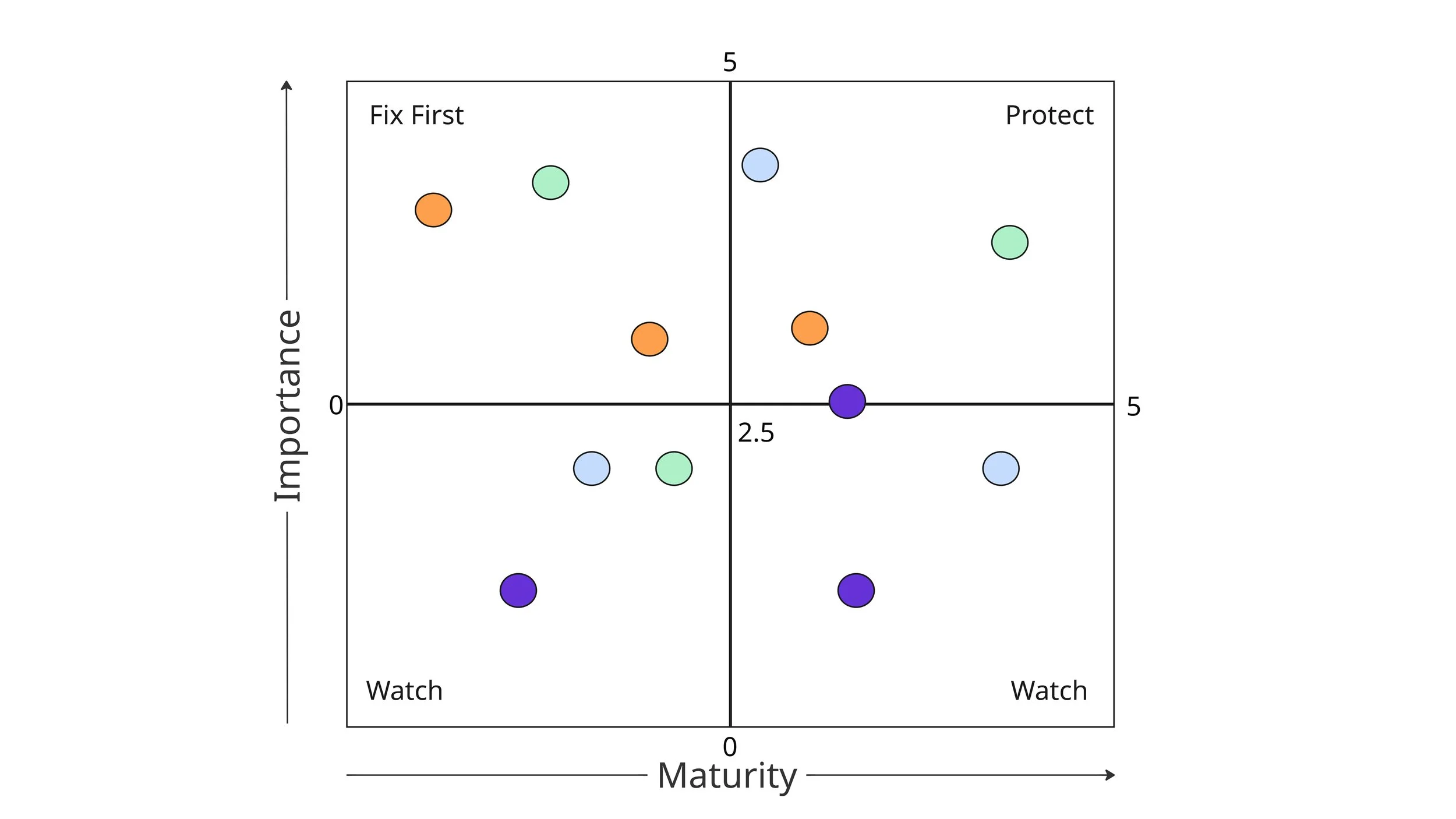
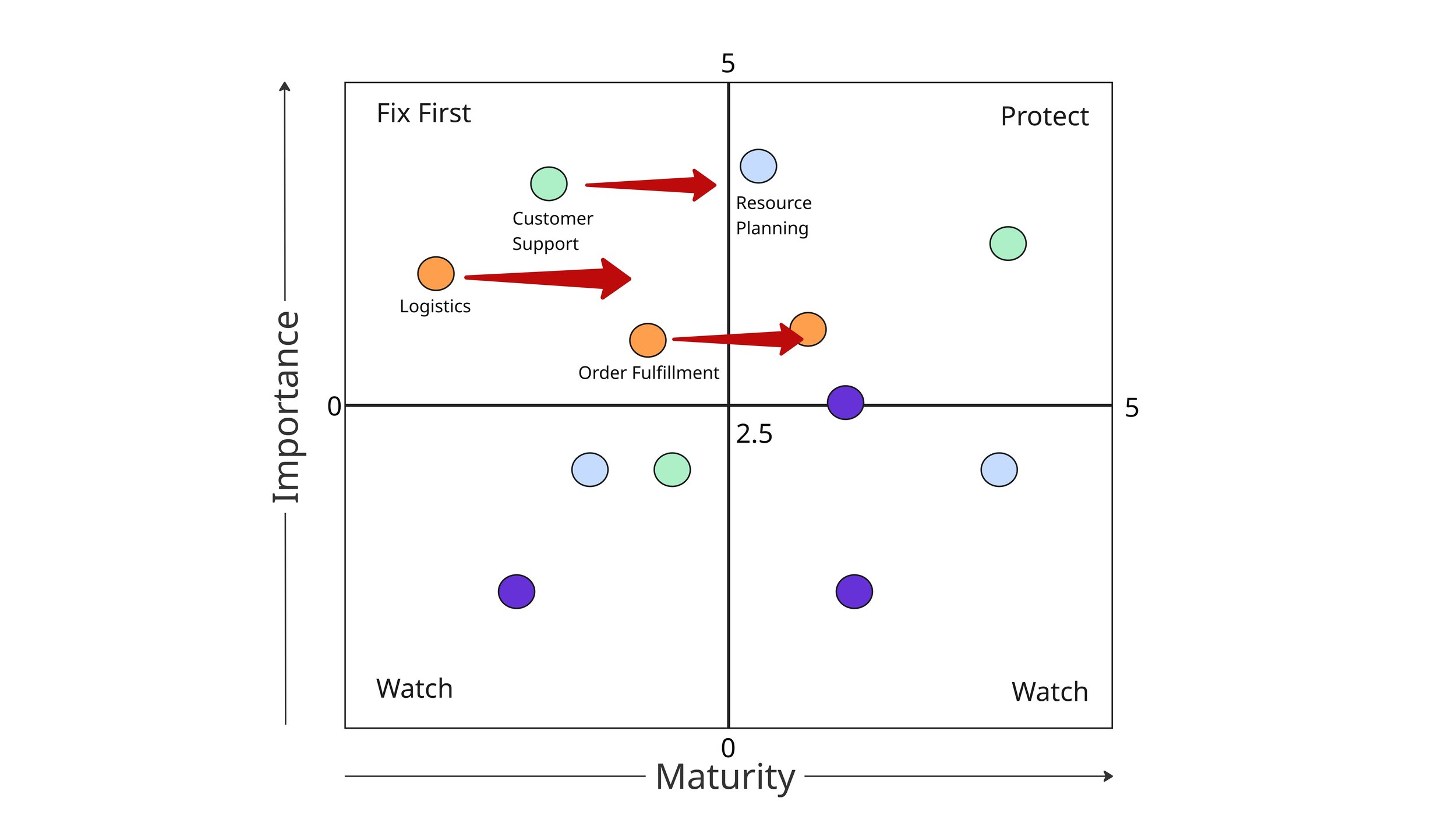
The Quadrant starts with business capabilities. Which business capabilities are most important to how this company operates? Which of those capabilities are actually working?
The Quadrant maps your core business capabilities on two axes, how important each capability is to the business, and how well it is actually working today. The result is a visual that gives every person in the room the same picture at the same time. For many leadership teams it is the first time they have ever had that conversation.
Priorities stop being negotiated and start being decided. The goal is to improve the maturity of high importance capabilities.
The Work
They Knew the Story. They Had Forgotten What It Meant.
The fundraising plan wasn't the problem. The organization had lost its fight. Three years later they had doubled their budget and rediscovered what made them worth fighting for.
Community Services Organization, Pacific Northwest
The Dumpster Was on Fire. Nobody Had Noticed.
The CFO didn't call because IT was broken. He called because he'd stopped getting straight answers about what was actually wrong. That's usually what the call is really about.
$90M Manufacturer, Pacific Northwest
Want to get your team unstuck, let’s chat